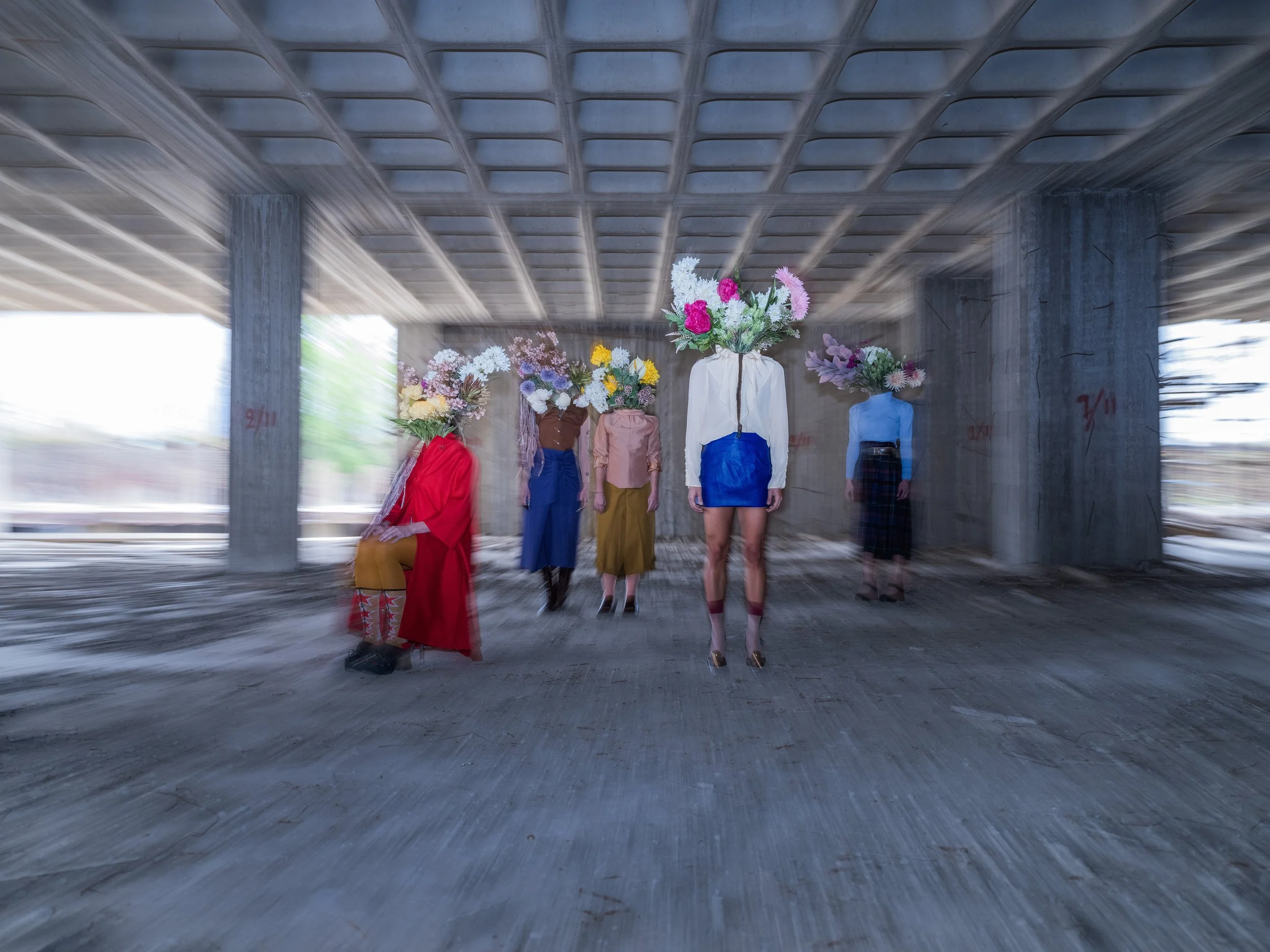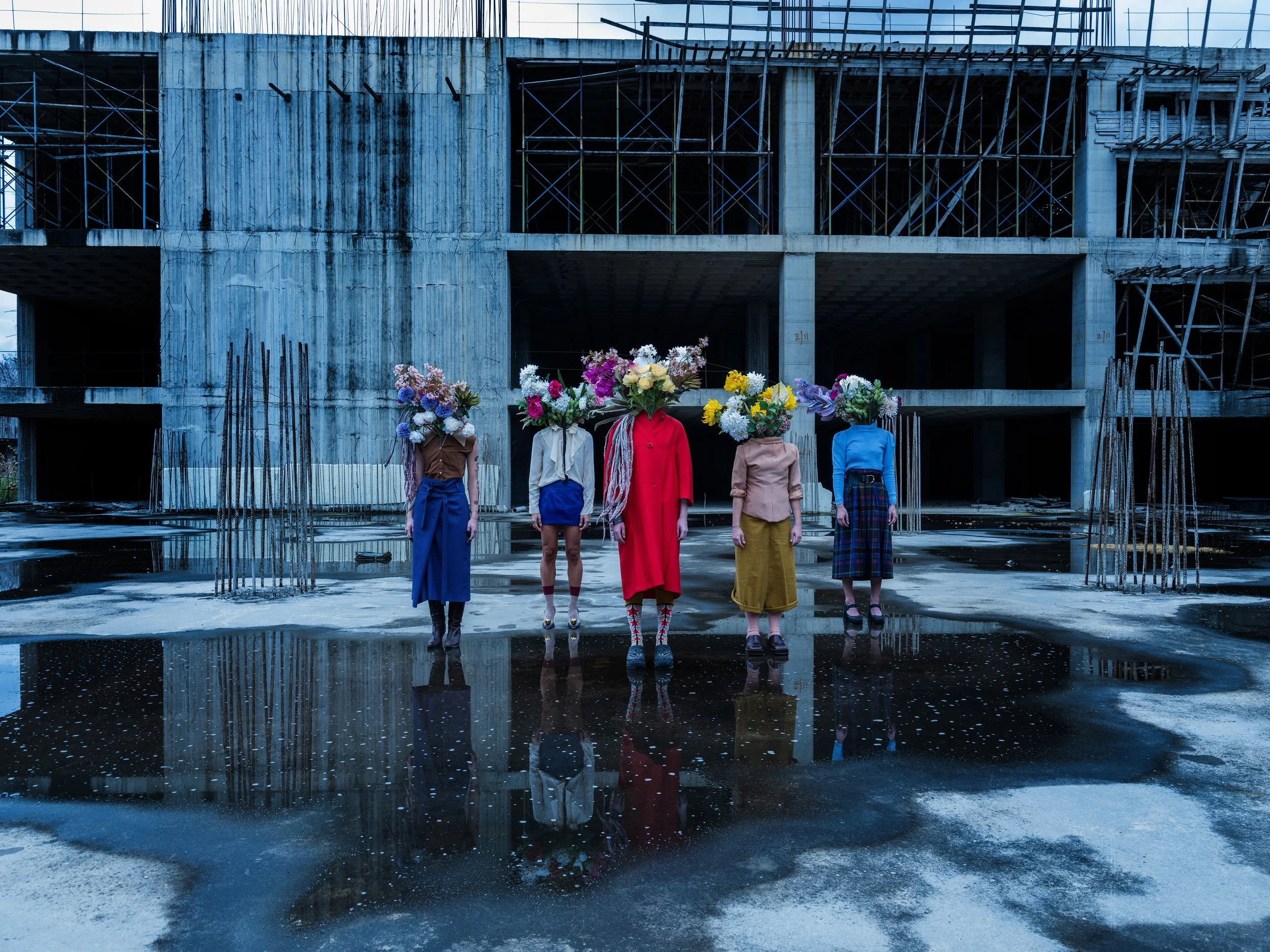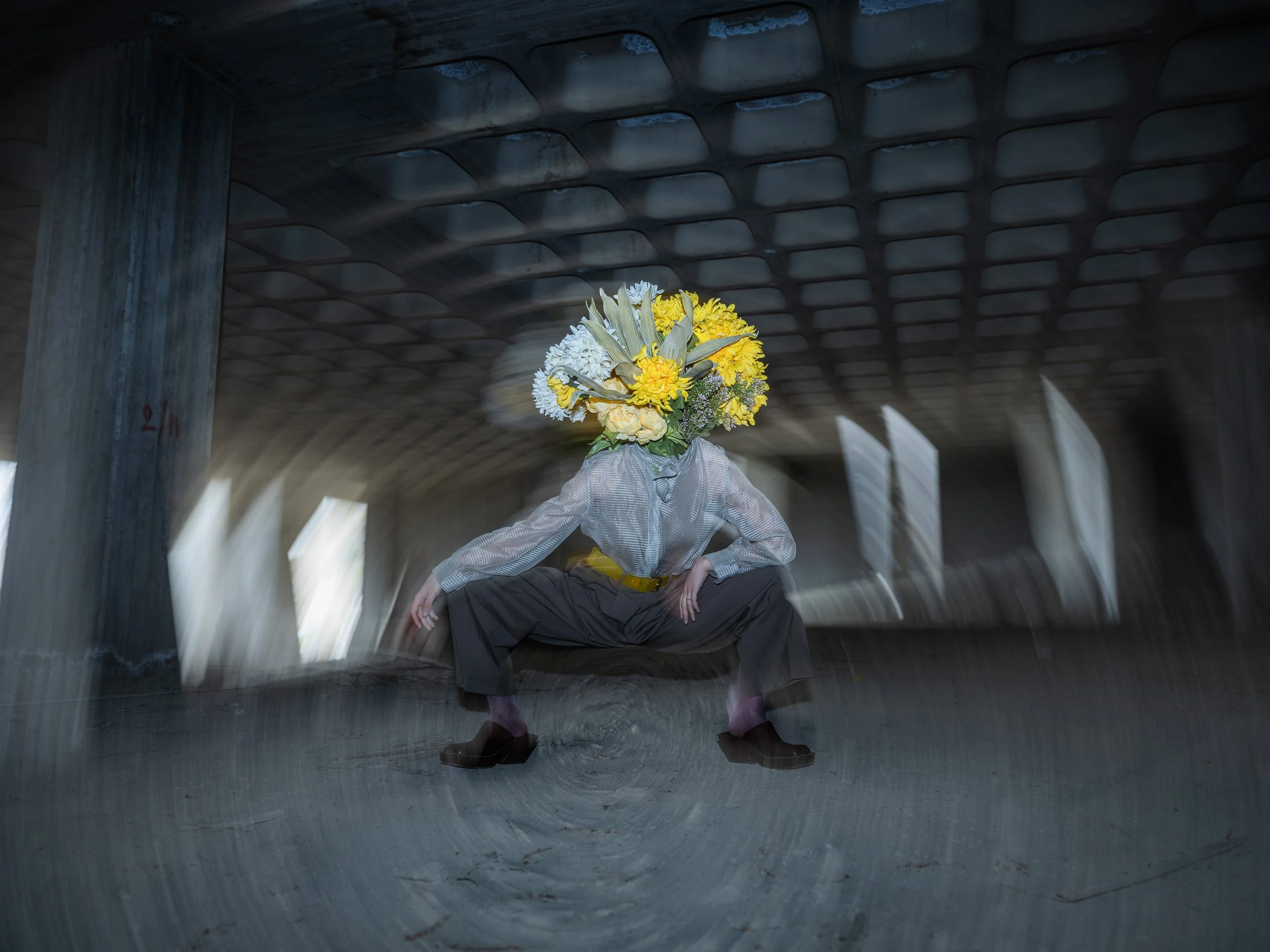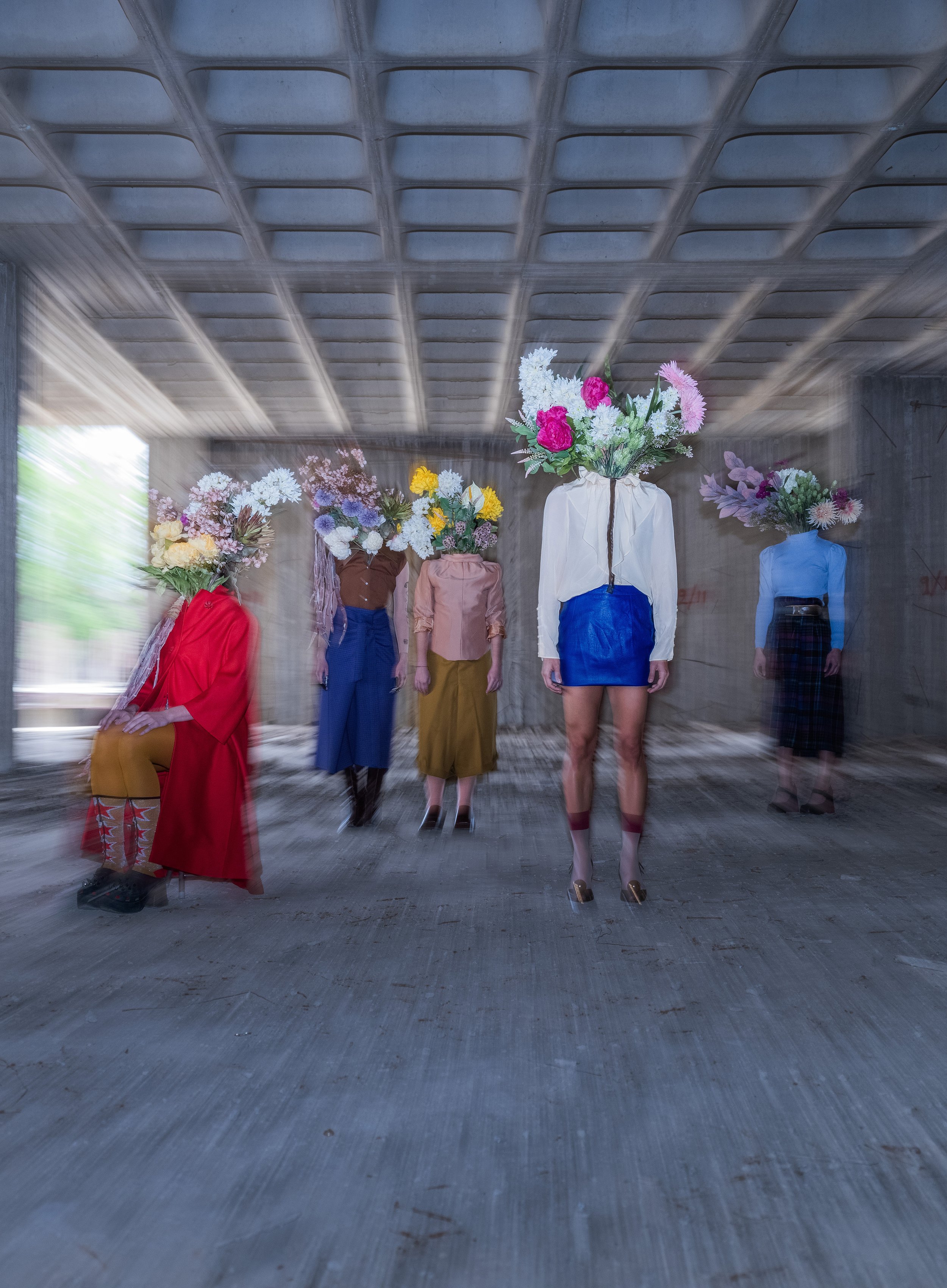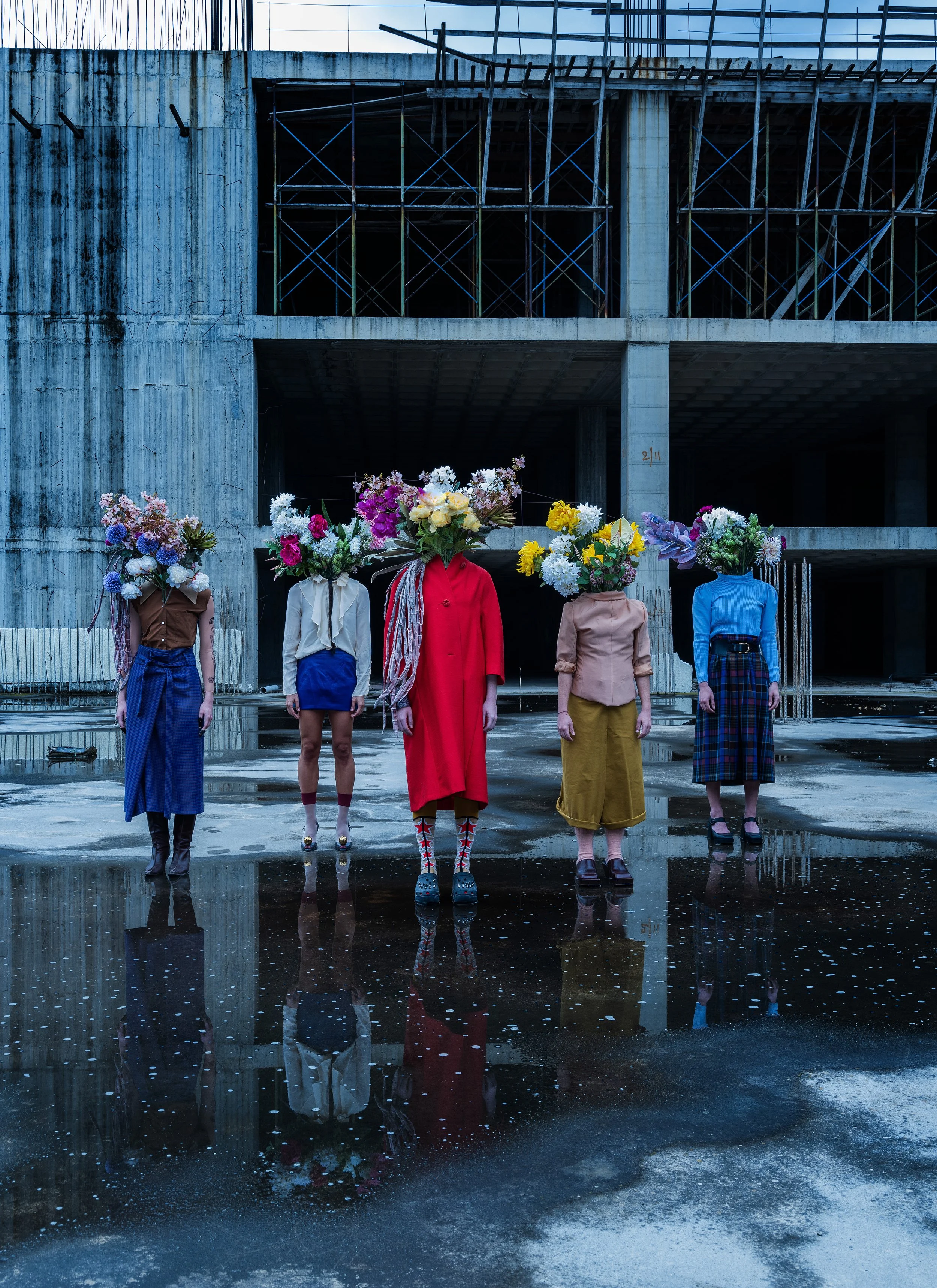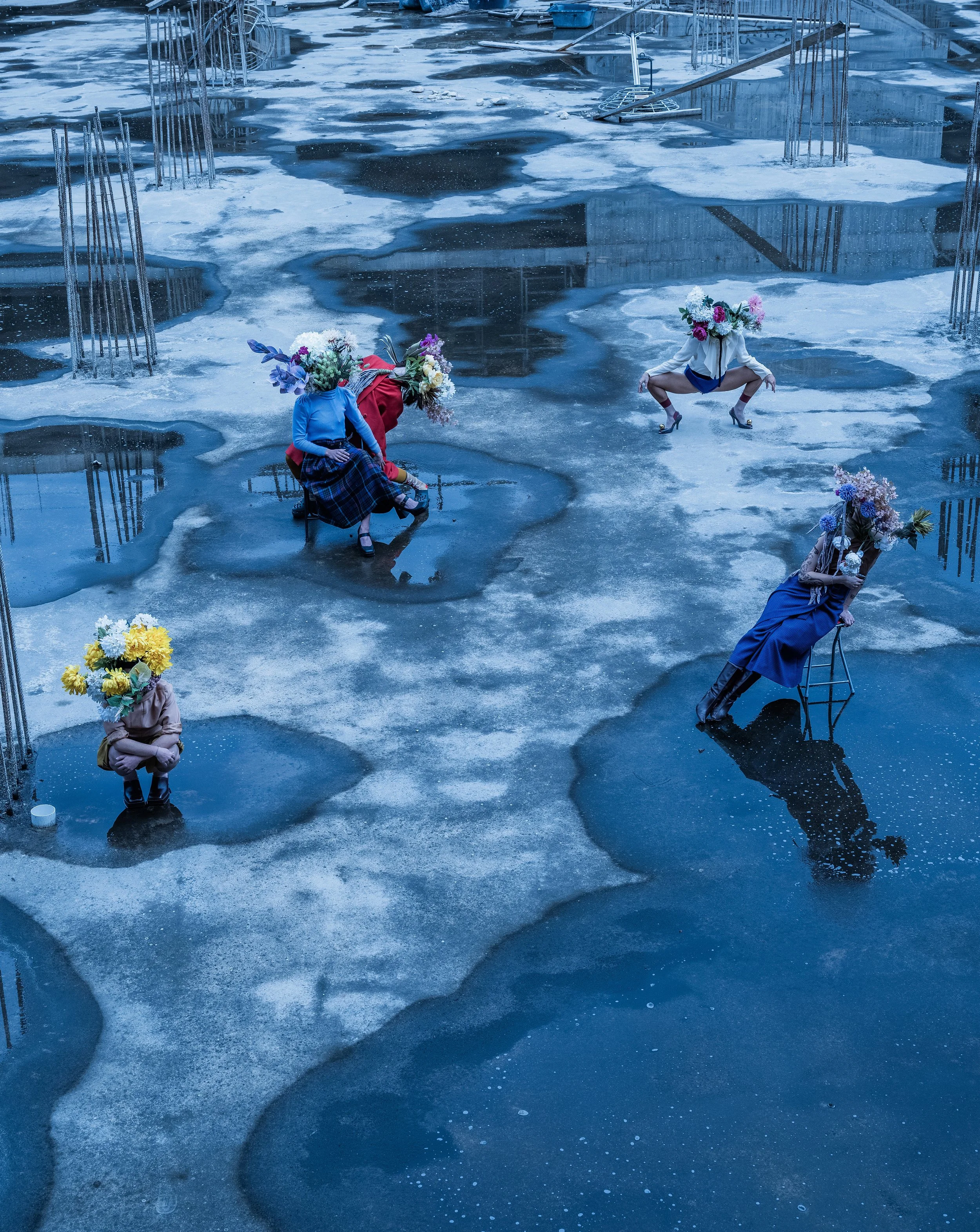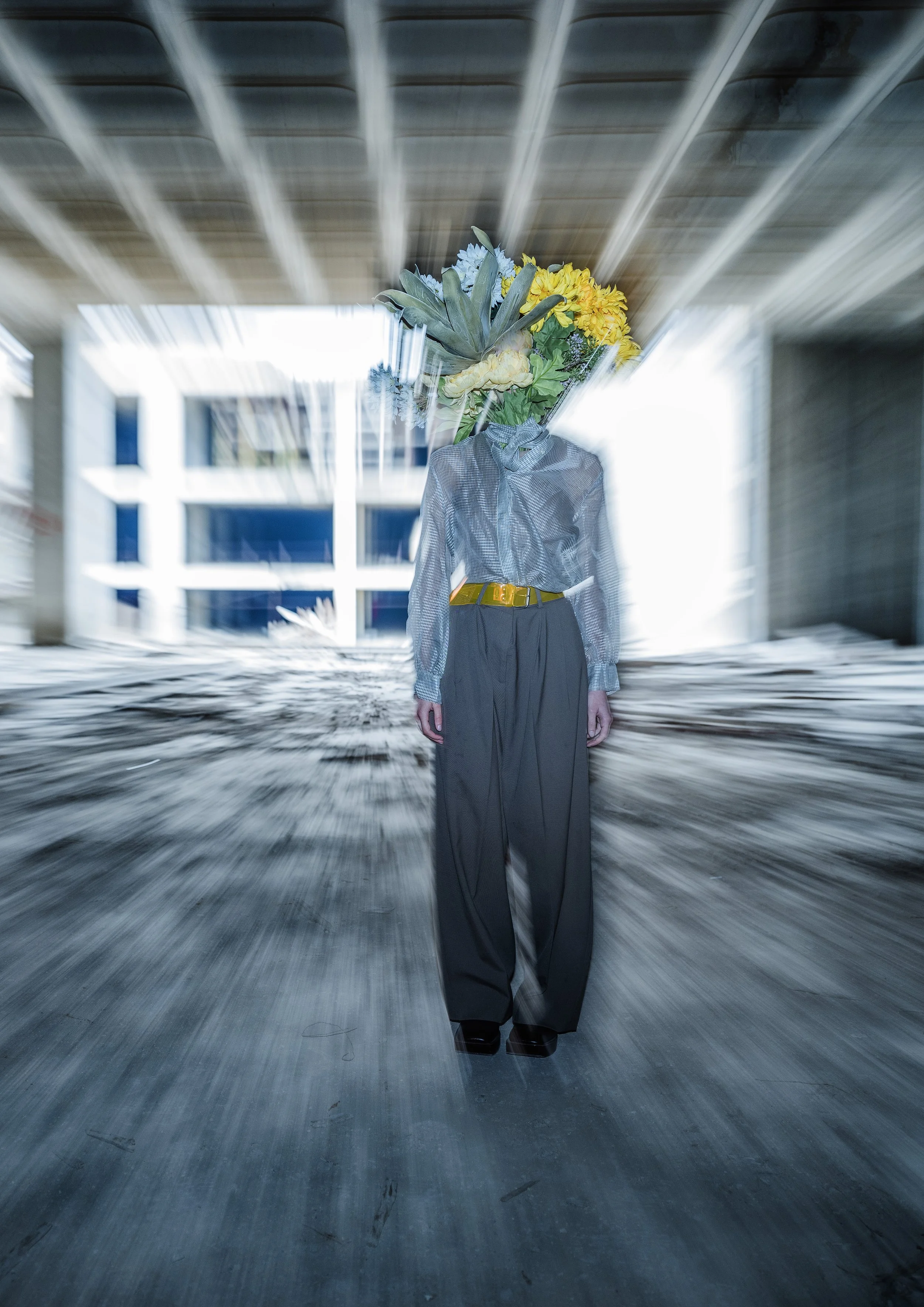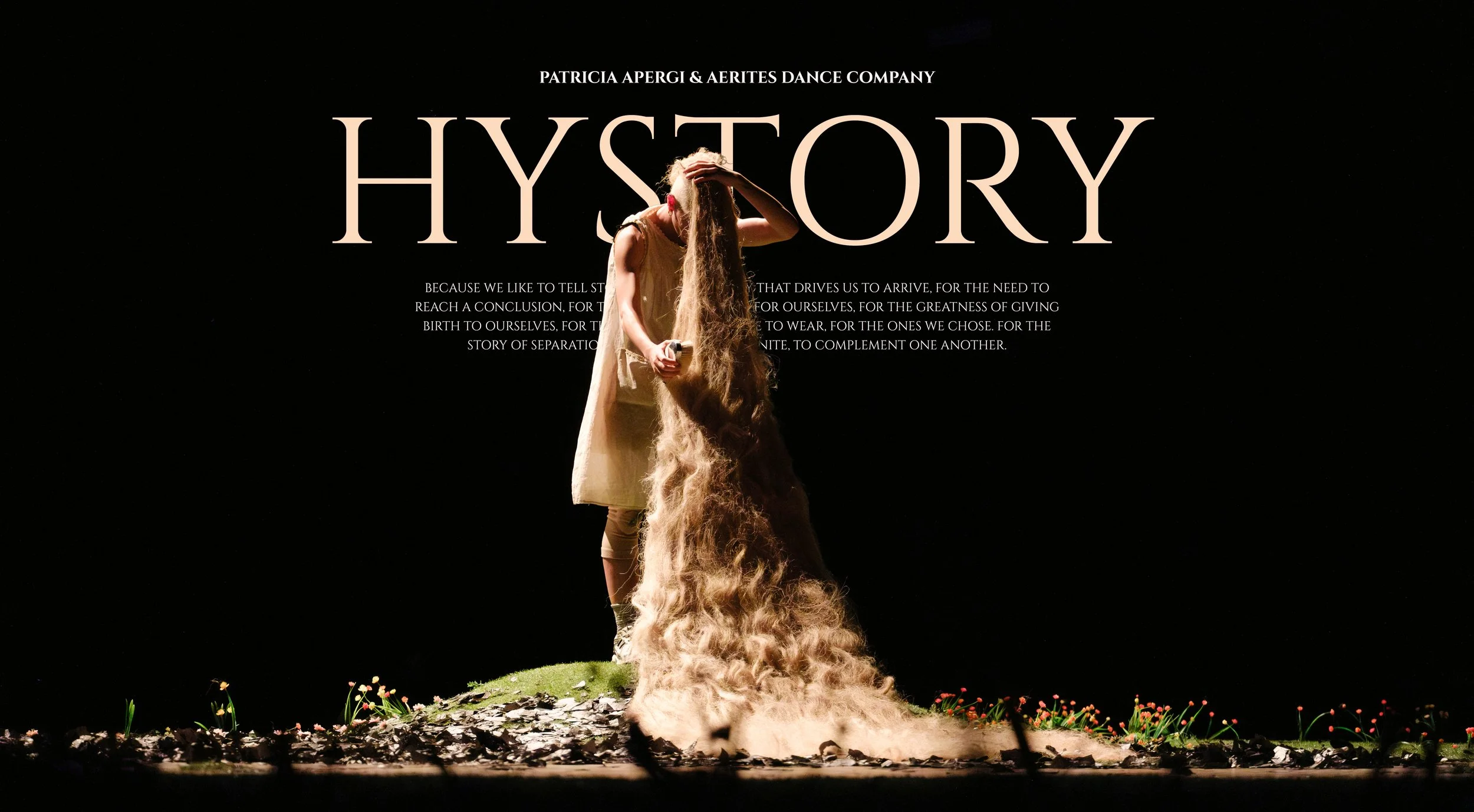

The title of this piece is a combination of words and meanings in order to create various associations and nuances relevant to the show’s themes. This is formed and achieved by the use of the words:
1.ὑστέρα (ìstéra, ancient greek) which means womb, and from this word we derived υστερία/ υστερικός/ή (hysteria, hysterical) which came to be the way in which, for centuries, we categorized women who acted or felt differently, claiming some kind of independence, in order to pathologize, hospitalize, treat, emprison and altogether punish them for not conforming to the behavioural standards of the times. In order not to assume the empowerment of their bodies, we invented a clinical way to stigmatize that power as a total loss of control on the body itself.
*** In ancient Greece, Hippocrates and other doctors believed that the womb could “wander” inside the female body, causing physical and psychological distress, which included anything from shortness of breath to crises and other unexplained behaviours. This theory, known as ‘wandering uterus’, reinforced the notion that women were by nature more prone to instability, emotional outbursts, exaggerated reactions and overacted emotions.
2. Istoría (Story). Because History is also a story – and a staged one – , even a myth – and a bloody one - always narrated by men. Strangely enough, in that show women have been at the same time invisible and overexposed – or forced to exposure each time they didn’t accept to be smoothly invisible -. So their acting came to be, in the eyes of the narrators, quite the opposite of action; and the copyright of truth was regularly stolen from them.
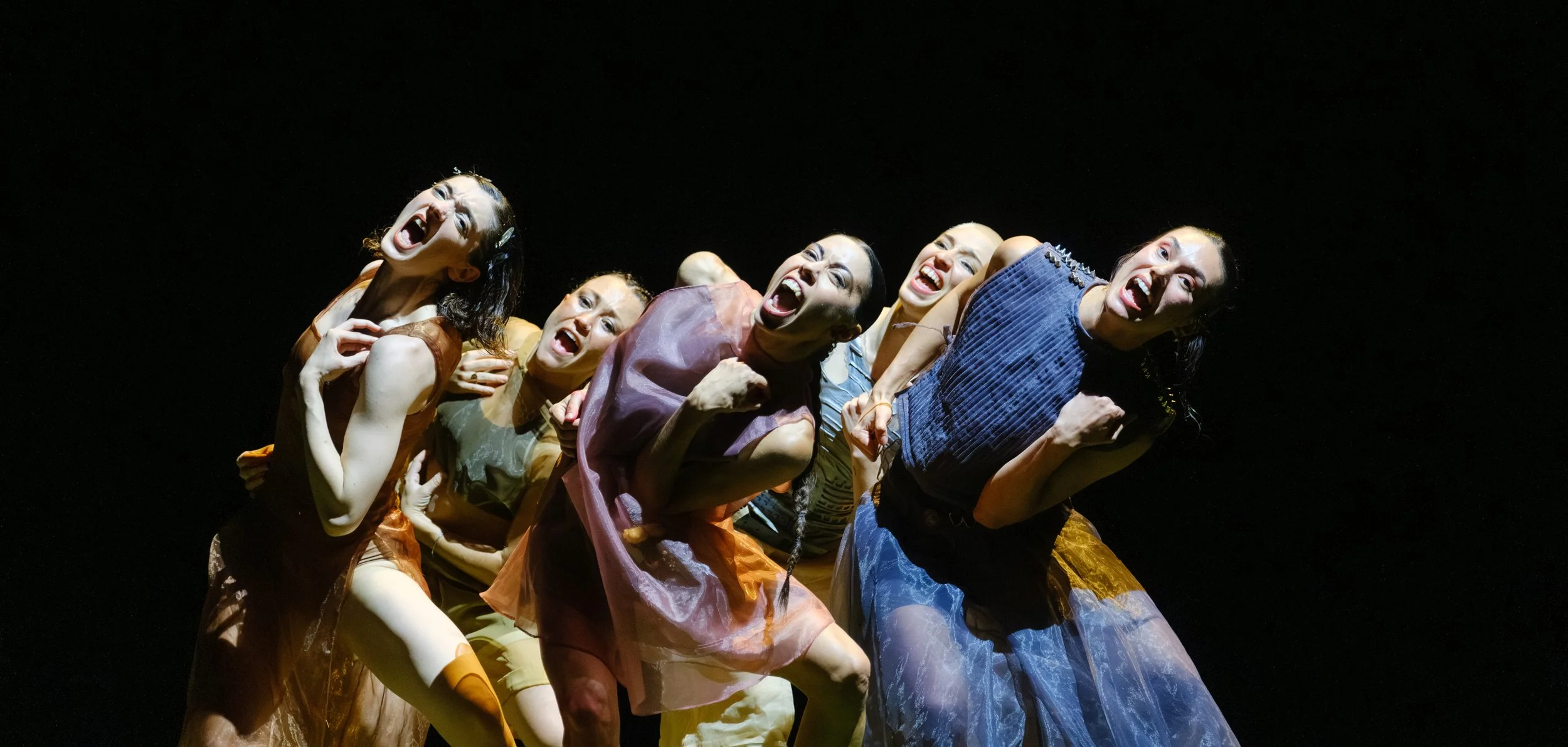
3. Ísteros, meaning next, last, and as the adverb afterwards. For the purpose of this work, we associate it with Planites afterwards … or after the first rendition.
4. Ysteresis is any path longer than is should be; is the complicated way to be always late; it is also a strategy to make out more space, more travelling, more paths, from a restrained, narrow space. Ysteresis is the behavour of each kind of domesticated being.
The work is a continuation and dialogue with Aerites’ previous production, Planites (2012); this time approached through the perspective and dynamics of women.
In Planites, a piece created for a male cast, we referenced the road as a place of wandering, of exploring a better tomorrow, of meeting, of what is unfamiliar, of the Other, of embodiment and inclusion, of violence, of exile.
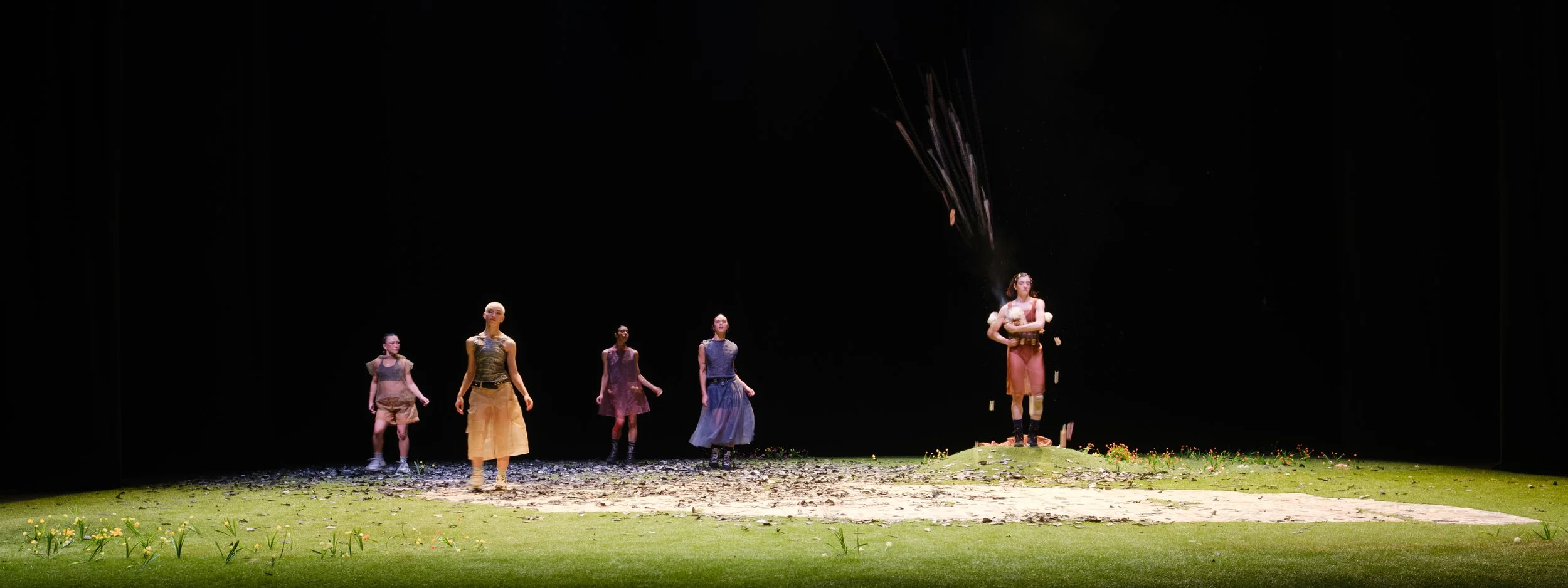
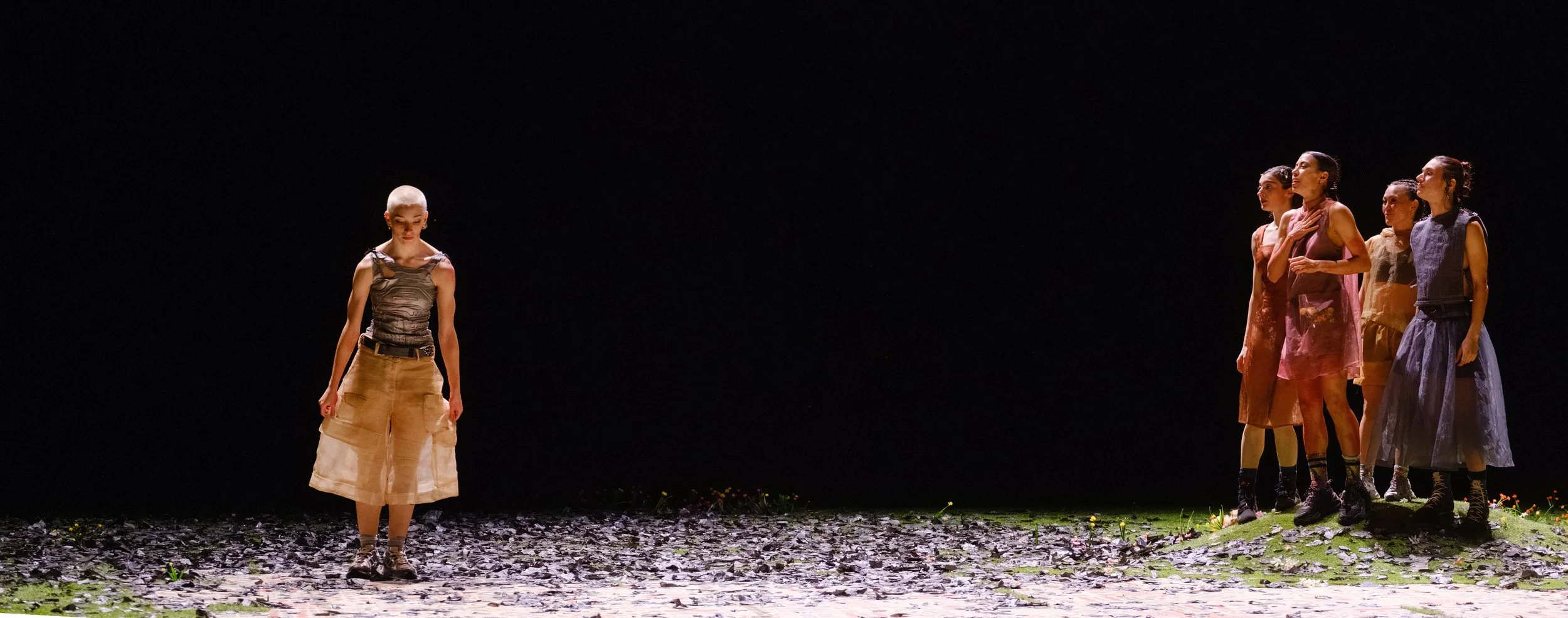
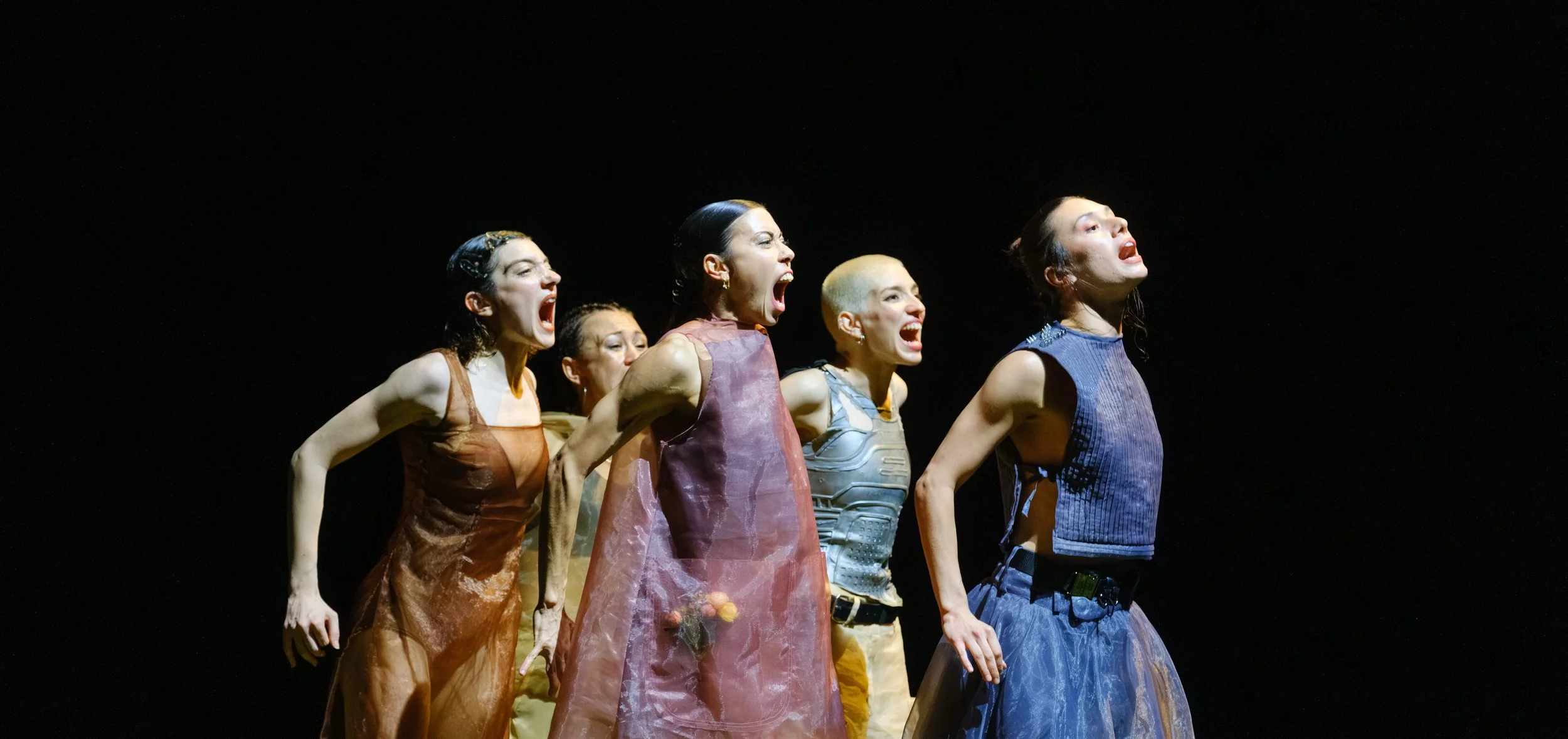
In this female-driven revision, planites are the women of the now, the citizens of the world, the ones who were led astray in their wanderings, the ones who did not succumb, the ones for whom the road did not open or were not allowed to take, the ones who were demonized or glorified for resisting, the ones who managed to squeeze in a whispered “ I want it ” when they were not permitted to even attempt - in order to remain “good girls”.
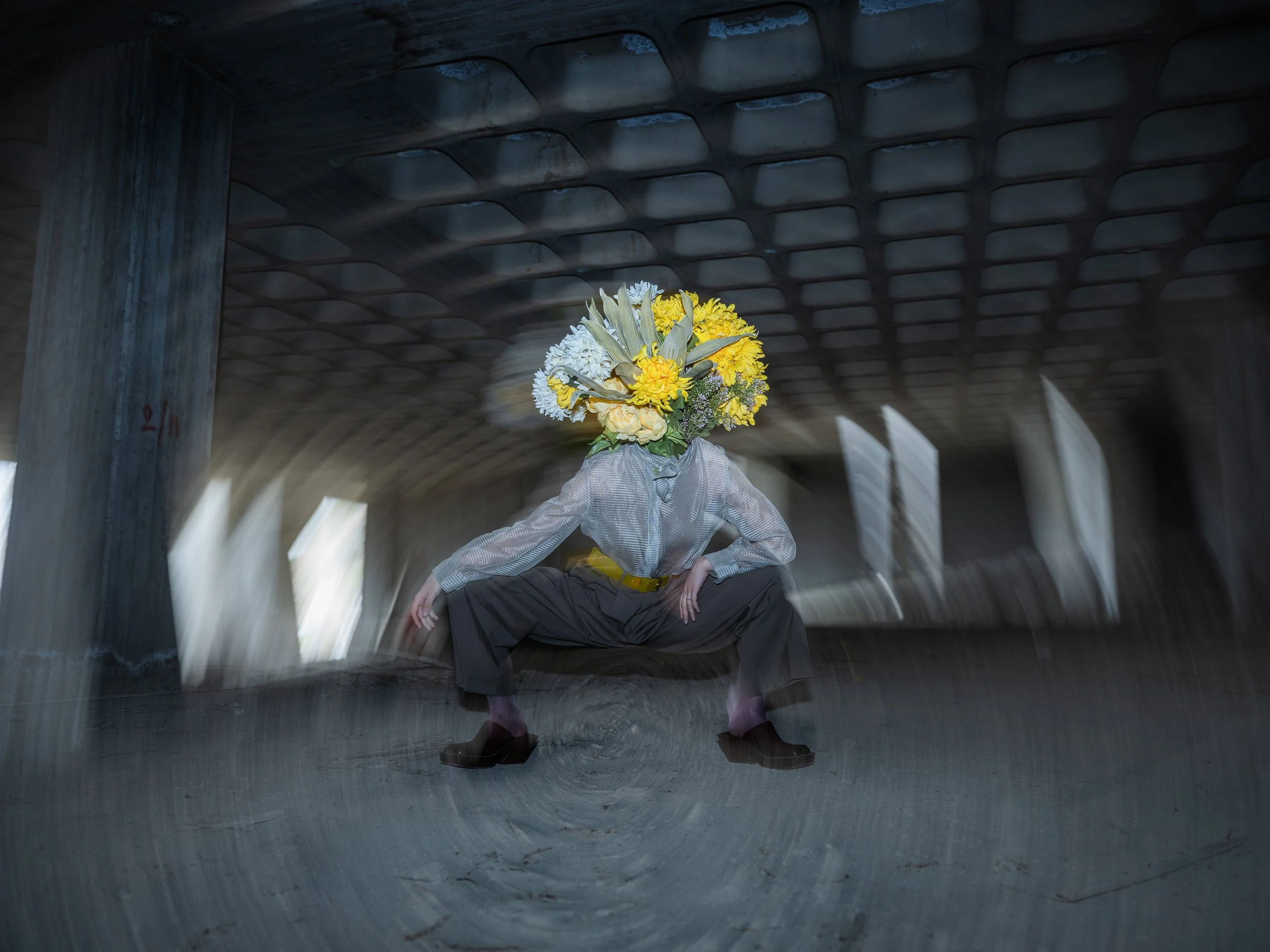
It seems that from the modern theoretical, anthropological, political and sociological approaches in regards to the treatment of women, starting from today all the way to the time of the very first feminist movements and demands throughout the centuries, (Silvia Federici, Bellhooks, Adrienne Maree Brown, Saidiya Hatman, Ursula Le Guin, et al) the journeys, infringements, detours, records and incidents that are being marked onto the female body and mind, we find some of the most painful but also vital material for life and art. New, or even “suspiciously” repetitive and obsessive social phenomena, require study and paths to explore, voices to be unumuted, concerns to amplify, agitations to be hushed.
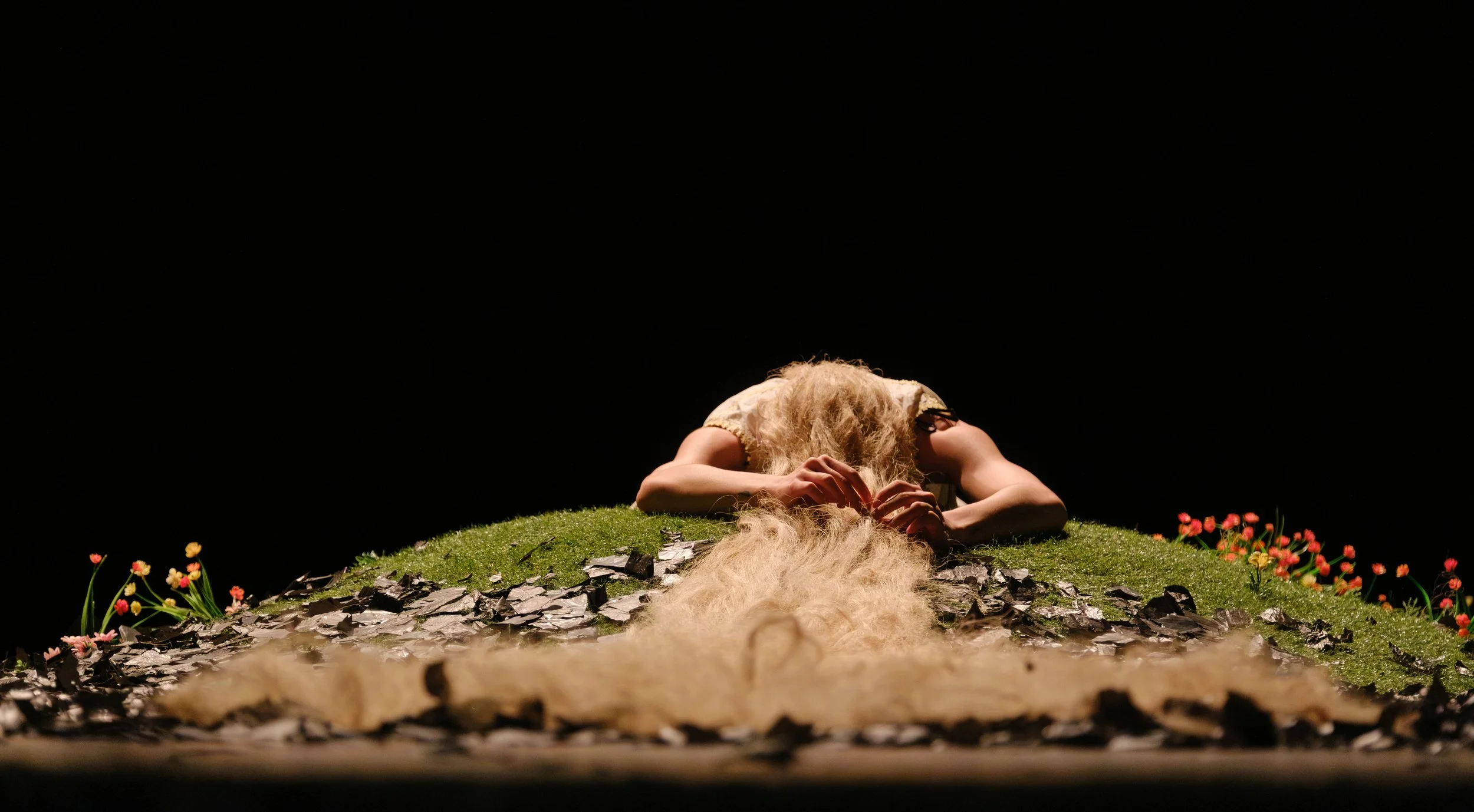
The wanderers are the ones who do not cease. They are driven by necessity. The ones who, though left behind on the journey, did not wander. The one who do not need to imitate gender, the ones who get archived into the banks of time, who protect everything they have by carving into gardens and tarmacs: data, seeds, efforts, legends, psalms, dreams.
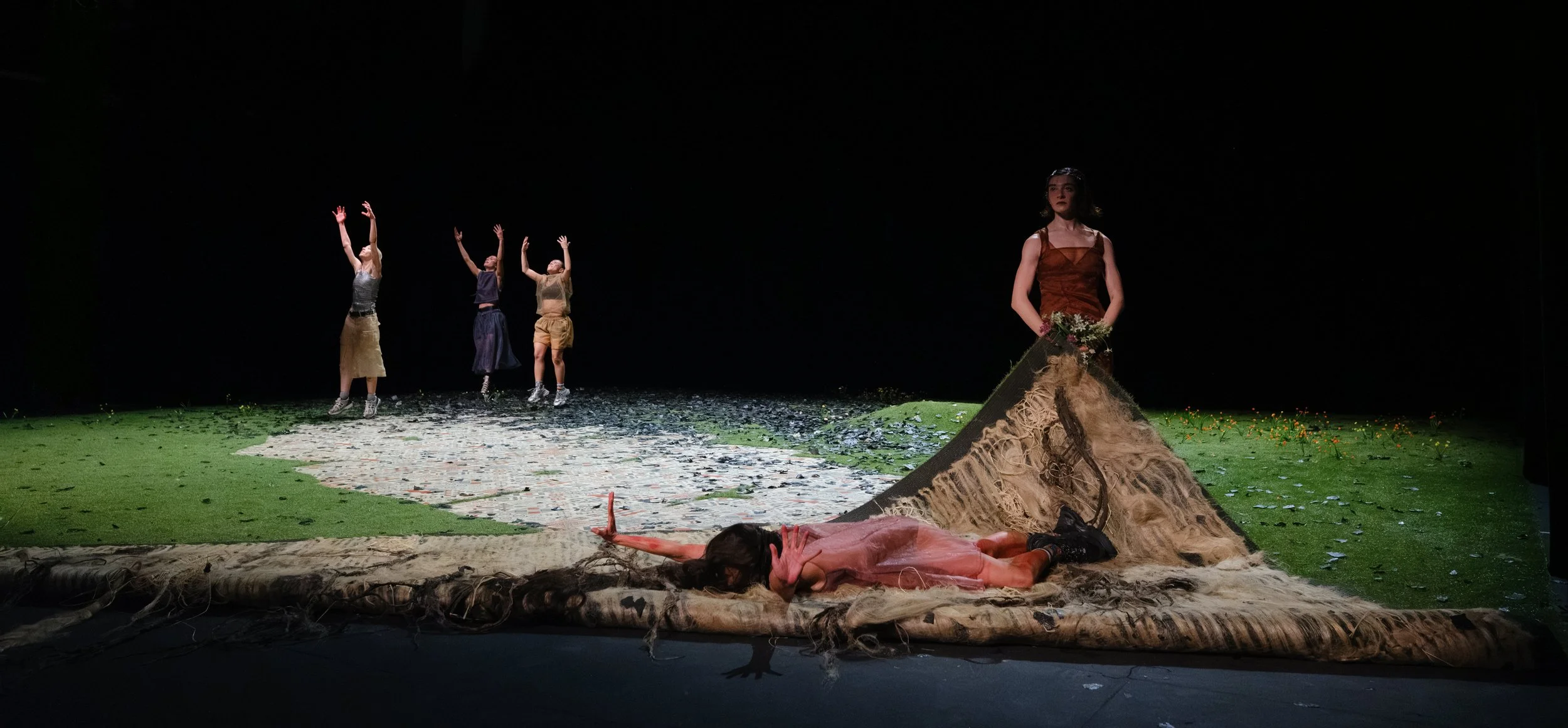
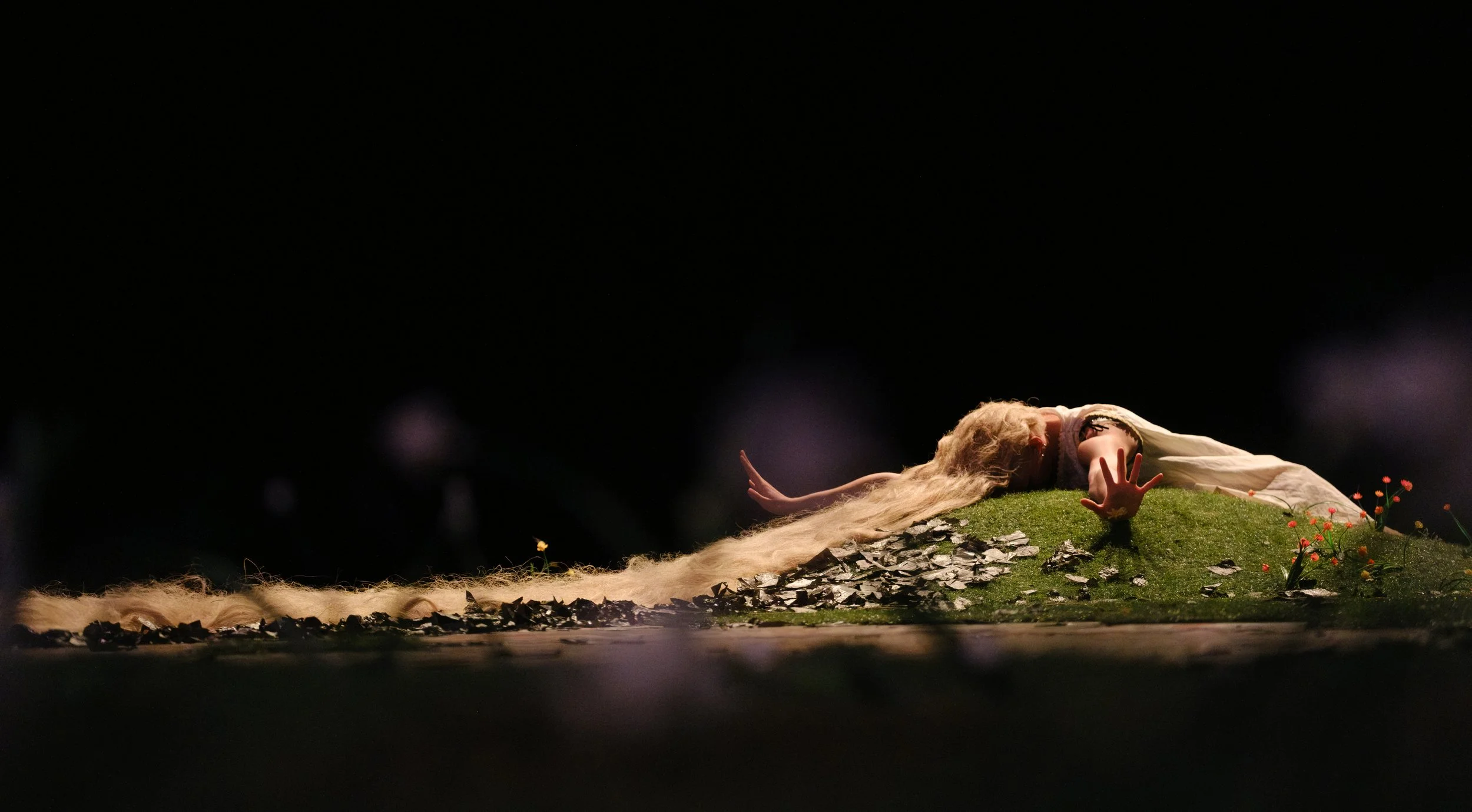
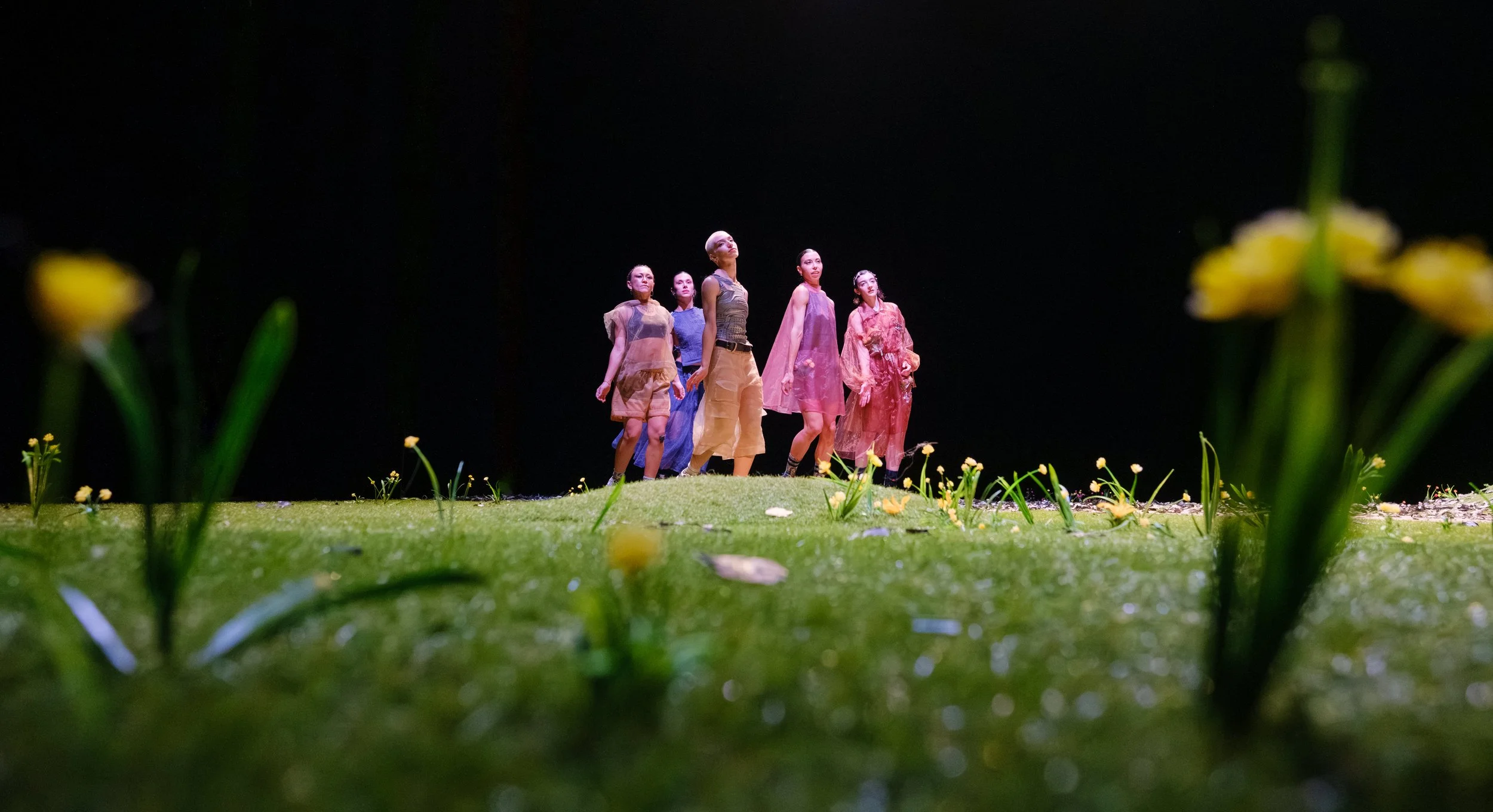
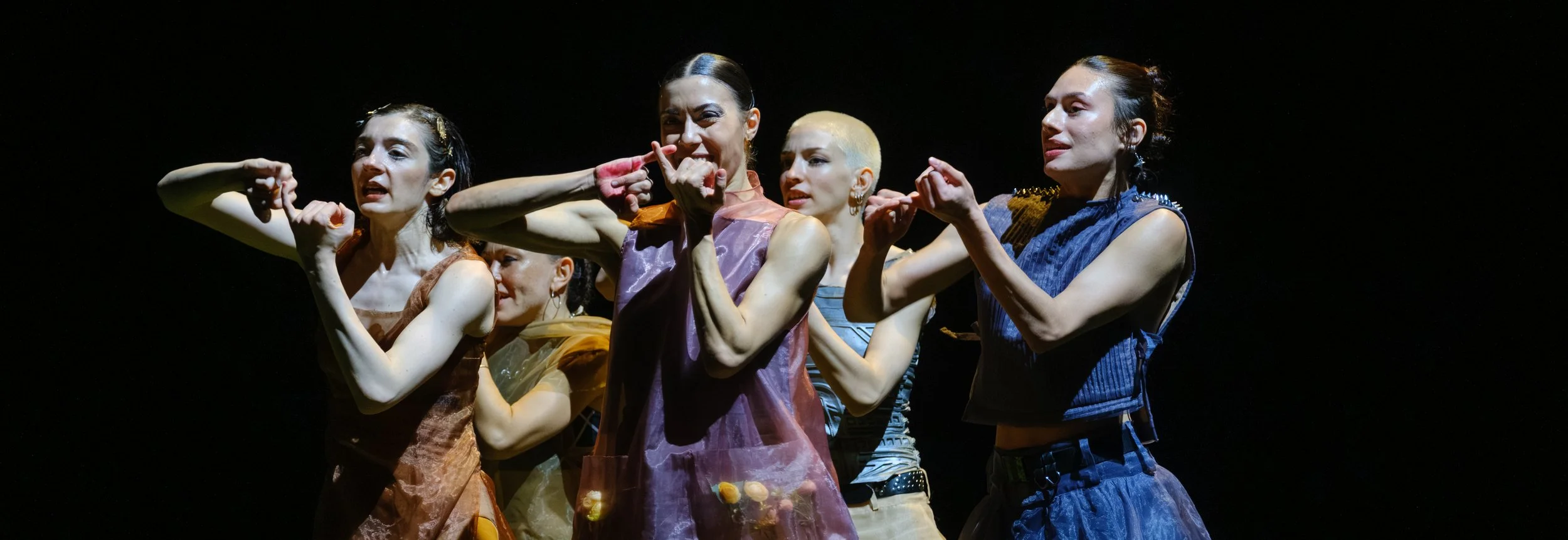
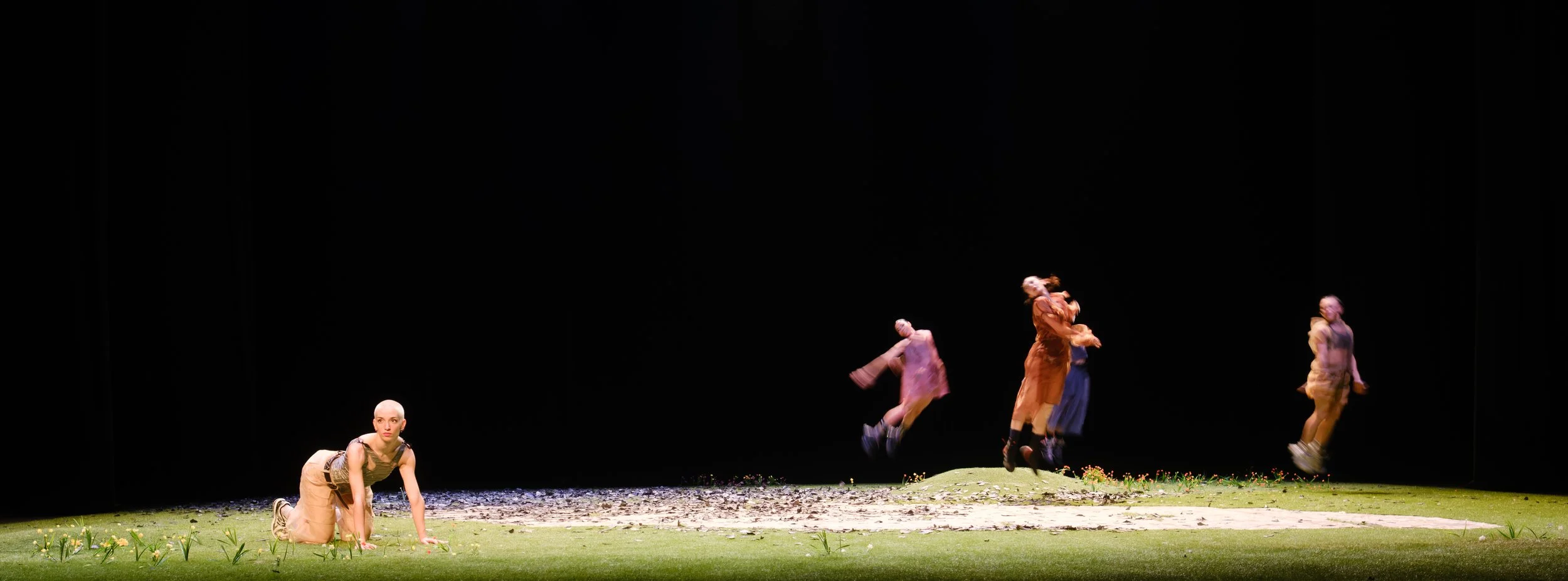
This production is our own wandering into places of reality and of dreams, into all the identities that were distributed to and even accepted by women, into the failures or victories of manipulation, into all that was not provided to them, to us, into everything that remains to be told and to be moved aside. A wandering to mobilize the truth, the need, the narrative, the care, the tenderness, the future.
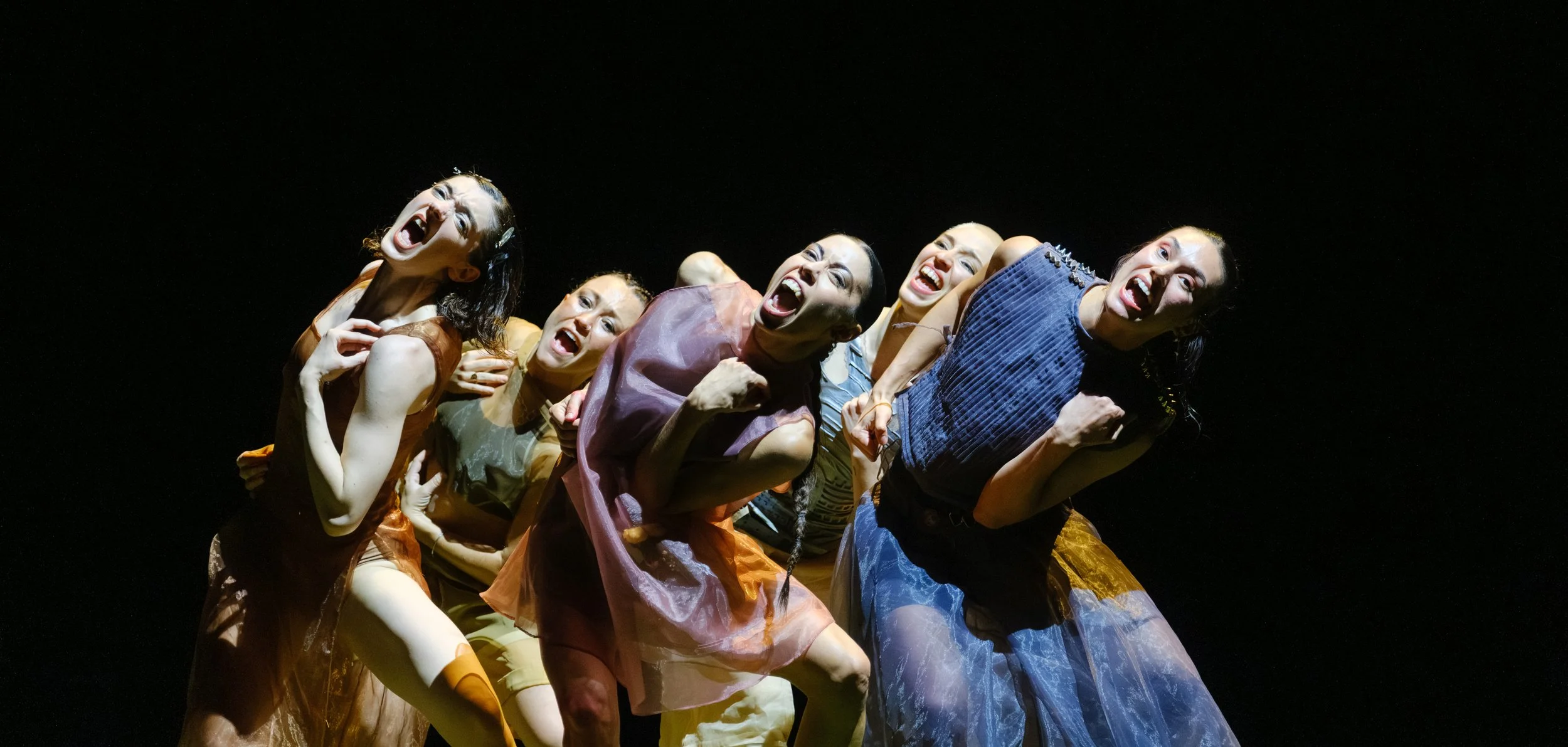
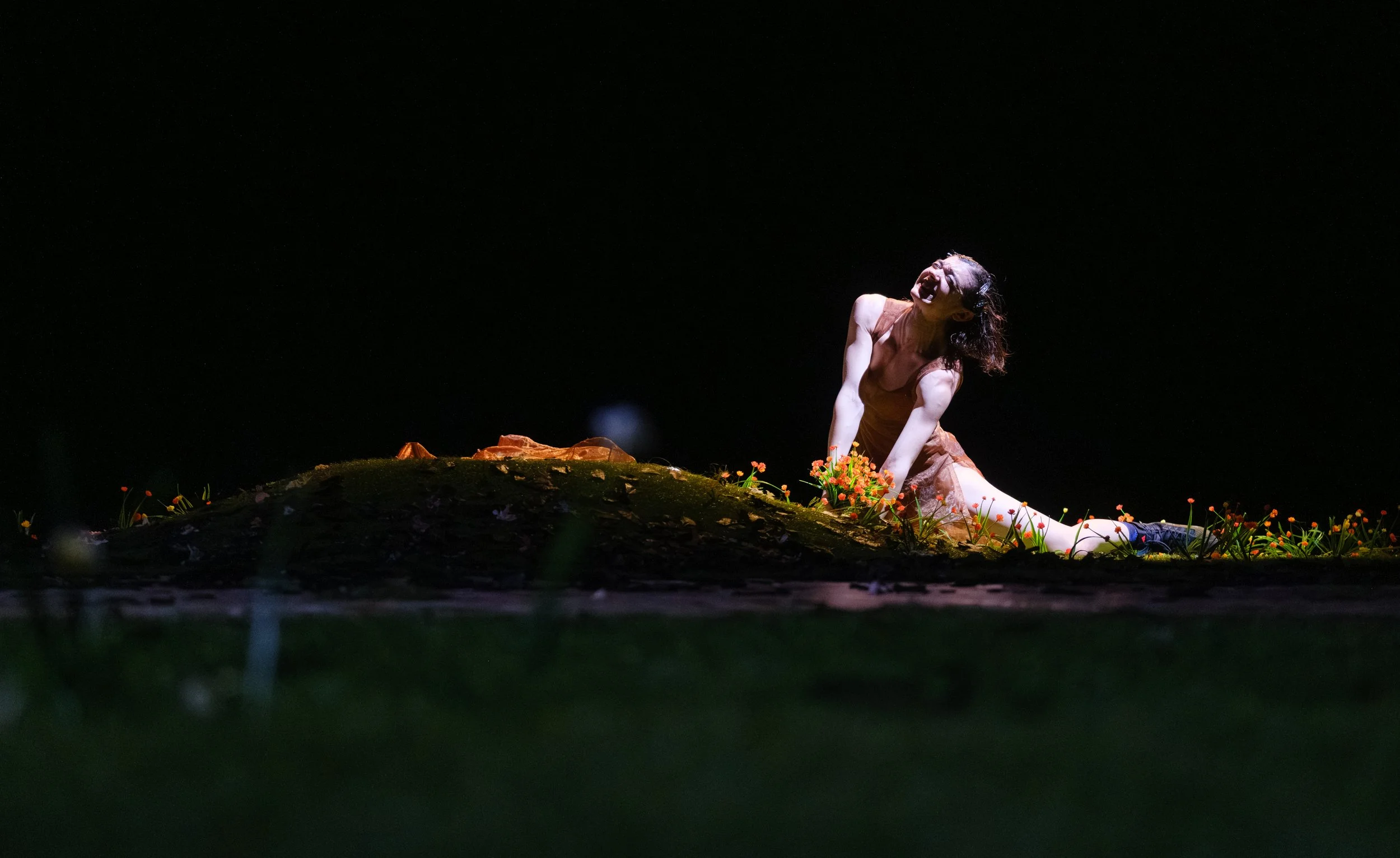
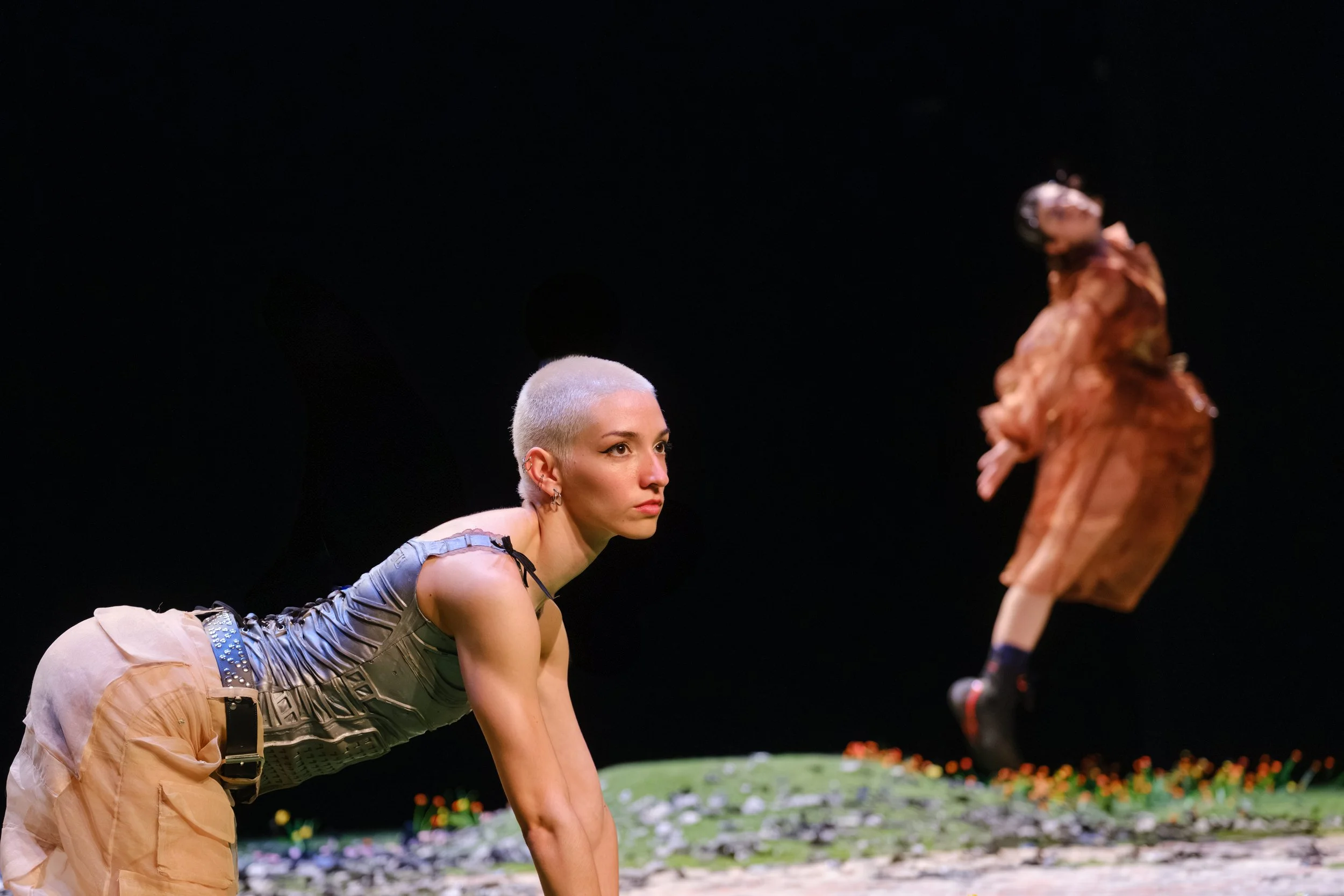
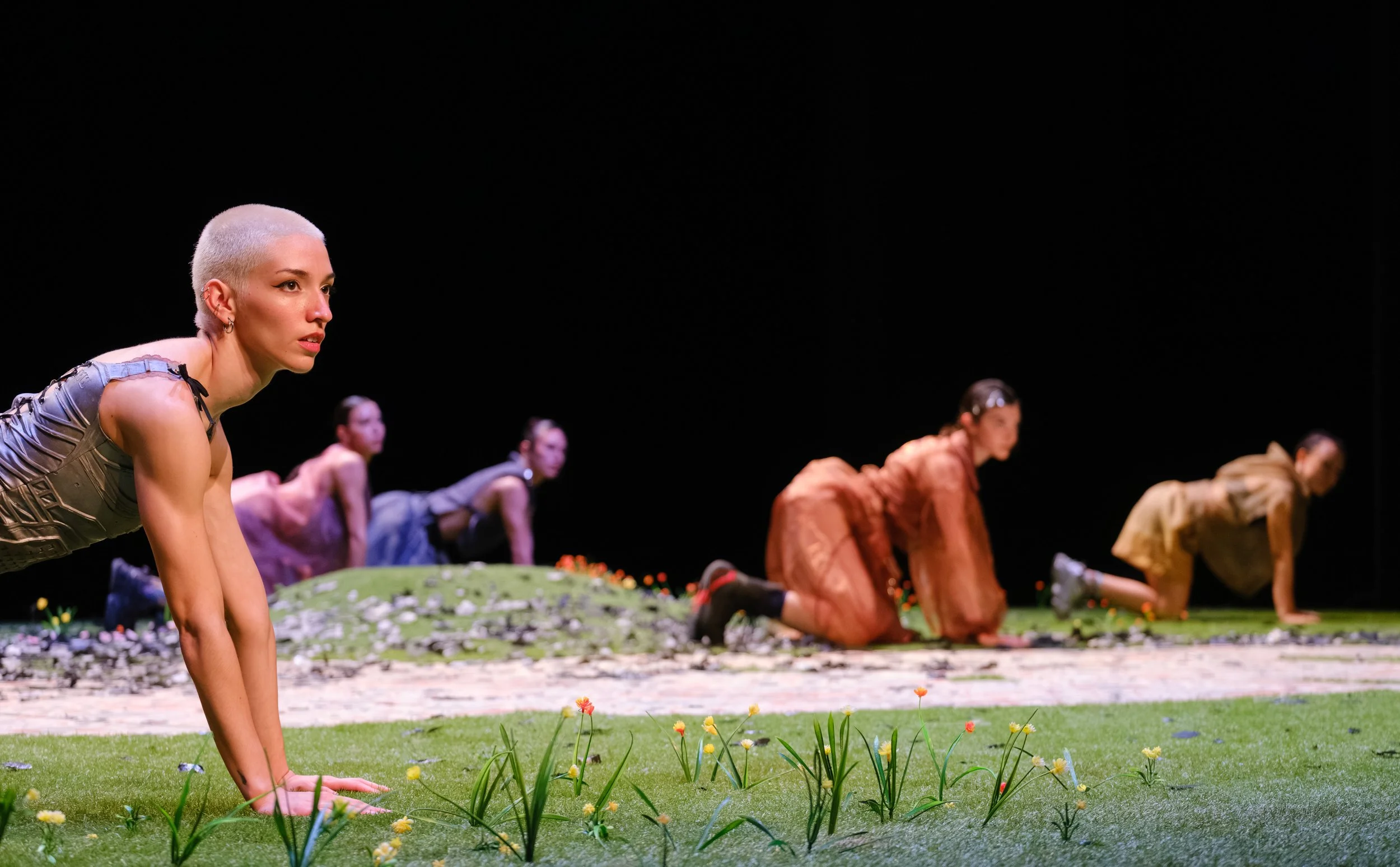
So they can move ecstatically and affirm that perfection is not born of beauty, but of the relentless capability of the body. In the social, material,, semiotic, sexual and clinical frames they were obliged to inhabit, women have learnt a thousand ways to wander in the middle of narrowness, a thousand styles of inside migration, a thousand subtler strategies of fight and power. And they have learnt how to hide in full sight; how to observe when being observed. Maybe the so called hysteria was just one of those weapons; one of those way of migrating. Along with dance. And with storytelling. All of them ways of wandering. All of them insideoutings of an imposed world.
/ Downloadable Material

Concept & Choreography: Patricia Apergi
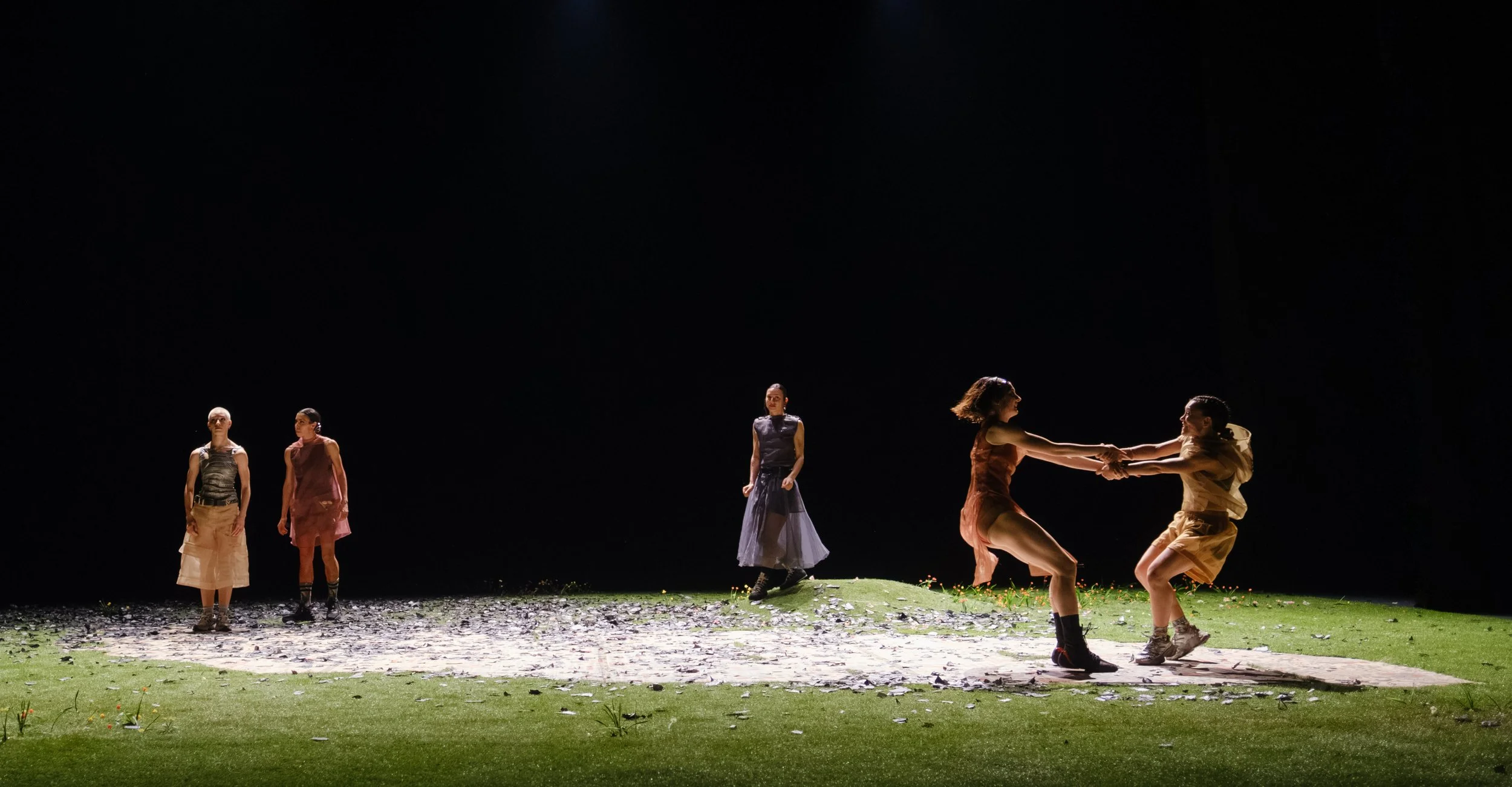
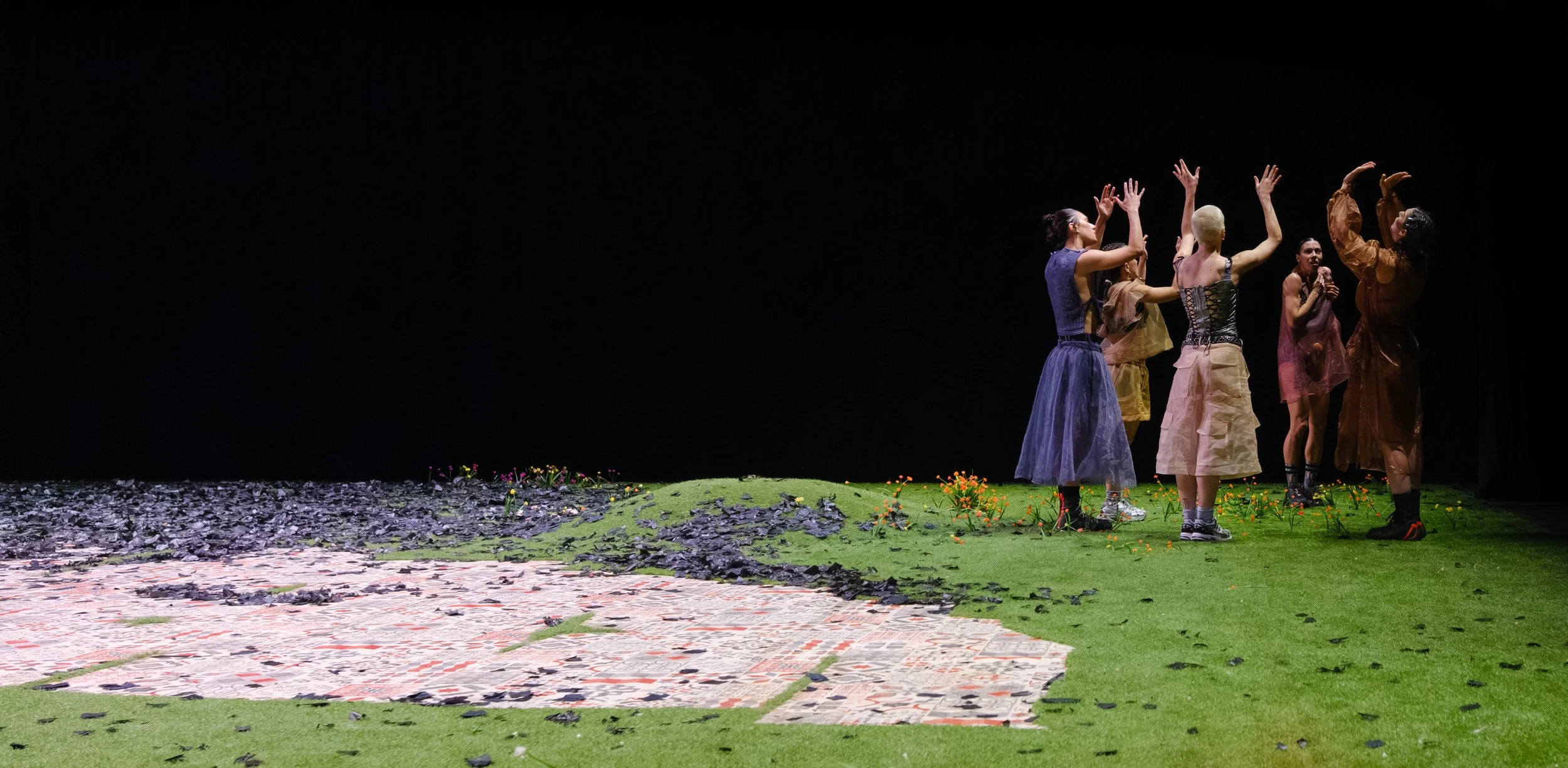
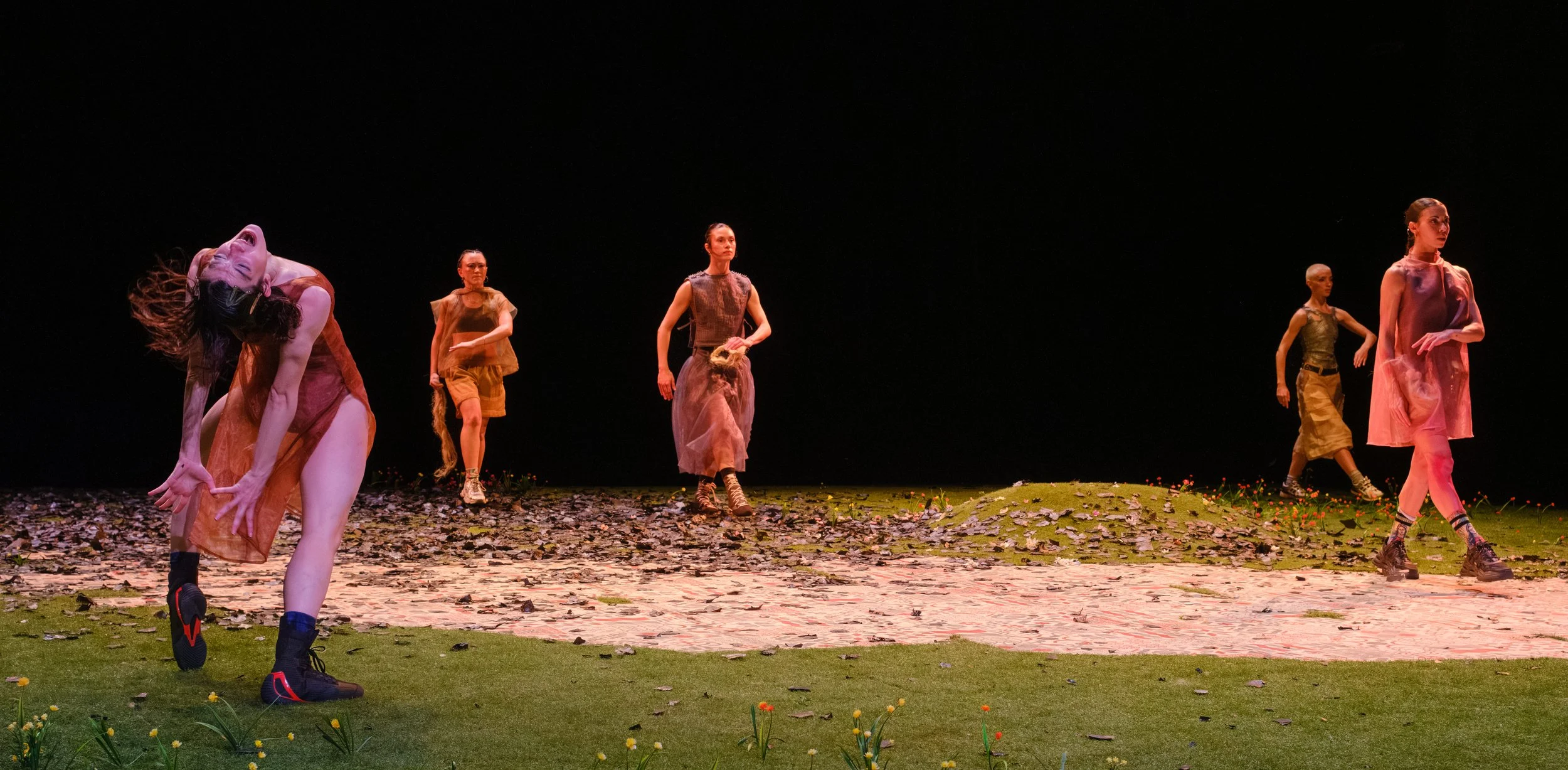
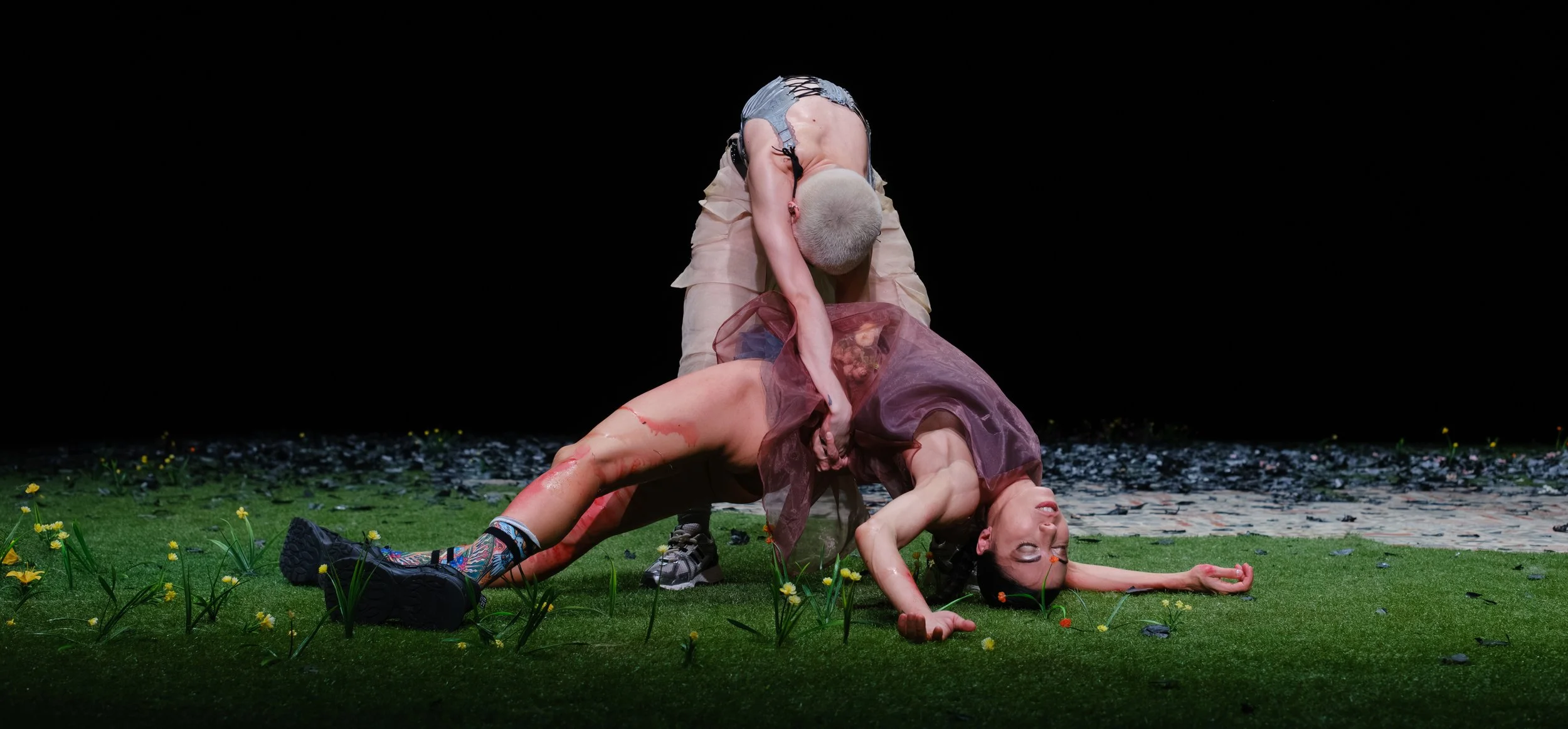
Performance: Evini Pantelaki, Caterina Politi, Myrto Stolidi, Mariana Tzouda, Eleanna Zoi
Dramaturgy: Roberto Fratini Serafide
Music: Vassilis Mantzoukis
Set Design: Evangelia Therianou
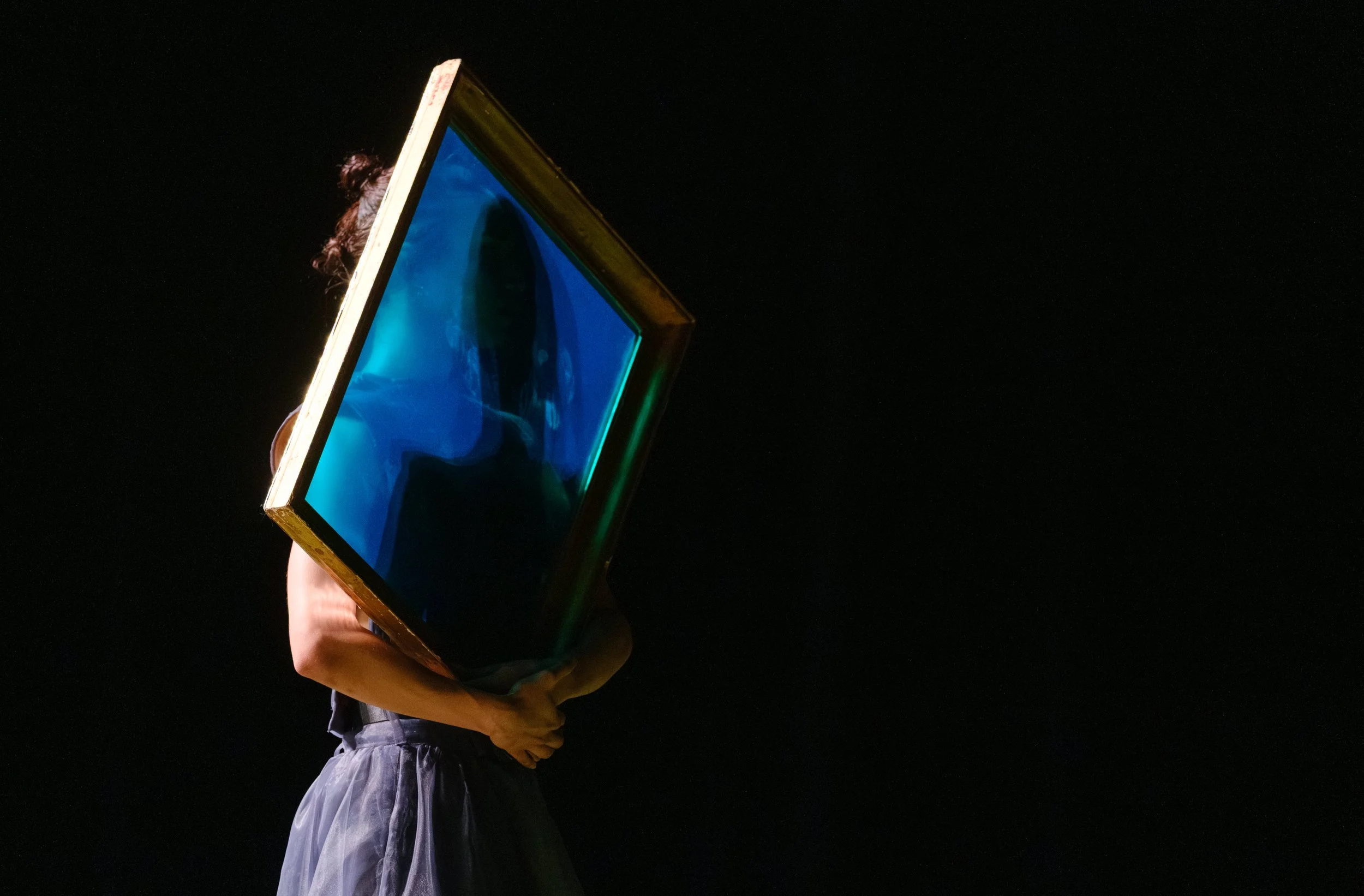
Costume Design: Alegia Papageorgiou
Light Design: Nikos Vlasopoulos
Sound: Christos Parapigidis
Assistant Choreographer: Savvina Xhaferaj
Assistant Costumes: Nikoleta Anastasiadou
Understudy: Nefeli Kafentaraki
Executive Producer: Polyplanity / Yolanda Markopoulou, Vicky Strataki
Int. Distribution: PLAN B – Creative Agency for Performing Arts
Duration: 65 minutes
World premiere: 21 July 2025 (further performances from 22-24July) at Athens & Epidaurus Festival, Greece as part of grape – Greek Agora of Performance from 21 to 24 July.
Images
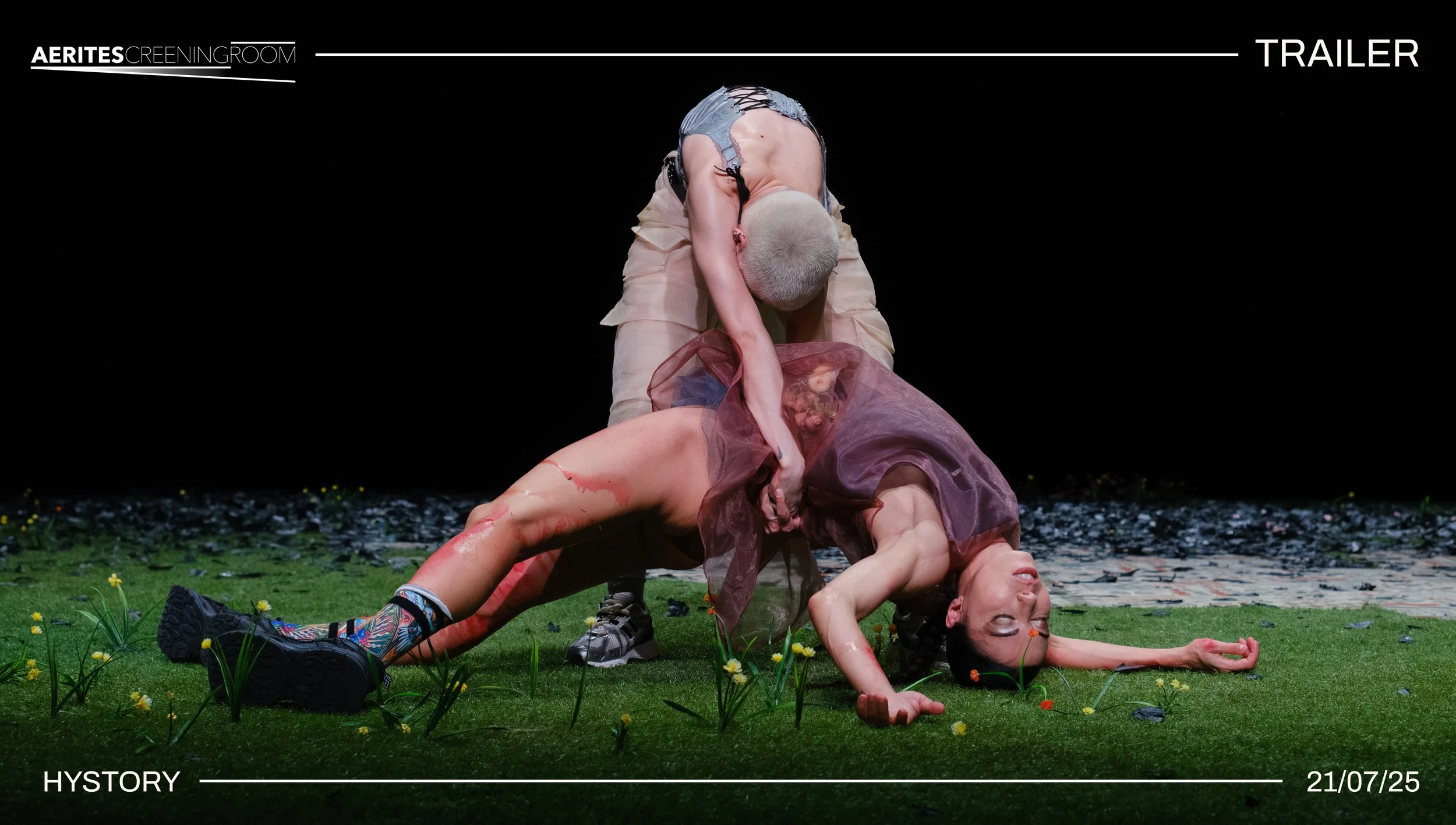
Trailer
Gallery